Checking out the Devices Behind Fenbendazole and Its Influence On Pet Health
Fenbendazole is a widely utilized anthelmintic understood for its efficiency versus various bloodsuckers. Its key device includes the restraint of microtubule development, which interferes with vital procedures in these microorganisms. Beyond its antiparasitic buildings, fenbendazole additionally shows up to enhance immune feedbacks and possesses anti-inflammatory advantages. Recognizing these multifaceted effects could disclose new applications for pet wellness. Questions continue to be concerning its full potential and security profile.
The Pharmacokinetics of Fenbendazole
The pharmacokinetics of fenbendazole, an extensively made use of anthelmintic in veterinary medicine, includes the research of its absorption, circulation, metabolic rate, and discharging within animal systems. After administration, fenbendazole is swiftly absorbed from the stomach system, with peak plasma concentrations occurring within hours. Its circulation is affected by factors such as tissue binding and lipid solubility, permitting it to pass through numerous cells properly. The medication goes through considerable metabolic process largely in the liver, where it is converted right into active and non-active metabolites. These metabolites play a function in the medicine's general efficiency and safety and security account. Discharging occurs mostly through feces, with a smaller proportion removed via urine. The half-life of fenbendazole differs amongst types, which affects dosing programs. Comprehending these pharmacokinetic properties is important for enhancing its healing use and making sure efficient bloodsucker control in veterinary practices.
Mechanisms of Activity Versus Bloodsuckers
Fenbendazole applies its antiparasitic impacts mainly with the restraint of microtubule formation in parasites. This disruption influences their architectural honesty and cellular functions, leading to damaged energy metabolic rate. Consequently, the medication effectively endangers the survival and reproduction of numerous parasitic microorganisms.
Inhibition of Microtubule Formation
Restraint of microtubule formation represents a vital system with which particular anthelmintic representatives, including fenbendazole, exert their results on bloodsuckers. Fenbendazole binds to tubulin, a protein that creates microtubules, disrupting the polymerization procedure needed for microtubule setting up. This disruption hinders vital cellular features, including mitosis, intracellular transportation, and architectural honesty. As microtubules play a critical role in preserving the form and function of parasitic cells, their restraint results in cell cycle apprehension and eventual fatality of the parasite. This system is especially reliable against nematodes, as their dependence on microtubules for movement and nutrient absorption makes them susceptible to fenbendazole. As a result, the restraint of microtubule development is a crucial facet of fenbendazole's therapeutic efficiency in vet medication.
Disruption of Basal Metabolism
Disrupting power metabolic rate is another important mechanism by which fenbendazole targets parasitical microorganisms. This anthelmintic modifies the power production paths within bloodsuckers, mostly influencing their capacity to generate adenosine triphosphate (ATP) By preventing glucose uptake and interrupting mitochondrial function, fenbendazole limits the power sources necessary for the survival and reproduction of these organisms. Because of this, bloodsuckers come to be progressively vulnerable to environmental stresses and immune reactions. Furthermore, the interference in energy metabolism not just affects the parasites straight however additionally decreases their capacity to absorb nutrients, additionally impairing their development. In general, the interruption of basal metabolism stands for a basic aspect of fenbendazole's effectiveness versus different parasitic infections, adding greatly to enhanced pet health end results
Prospective Side Results and Safety And Security Profile
The possible side impacts and security profile of fenbendazole warrant cautious factor to consider, especially in vet applications. While generally considered safe, some pets may experience unfavorable responses, including gastrointestinal disturbances such as throwing up and looseness of the bowels. Additionally, neurological symptoms, although uncommon, have been reported in sensitive people, highlighting the requirement for monitoring throughout therapy.

Fenbendazole's security in numerous types, including canines and pet cats, has actually been recorded, but dosage and duration of therapy have to be meticulously managed to minimize dangers. Expecting or lactating animals might likewise call for special attention, as the results on establishing fetuses or nursing offspring are not completely recognized.
Regular vet assessments can assist alleviate prospective side impacts and ensure the medicine is provided properly. Consequently, while fenbendazole is an effective anthelmintic representative, alertness concerning its side effects is important for preserving pet health and wellness.

Fenbendazole's Influence on Immune Feature
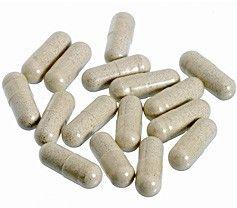
Fenbendazole has been kept in mind for its possible to regulate body immune system actions in pets. Its anti-inflammatory residential properties may add to enhanced immune feature, giving a twin advantage in taking care of health (fenbendazole capsules). Recognizing these results is important for evaluating fenbendazole's role in vet medication
Immune System Inflection
Anti-inflammatory Characteristics
Anti-inflammatory results represent a considerable element of fenbendazole's influence on immune feature. Research study indicates that fenbendazole might minimize the production of pro-inflammatory cytokines, which are critical in mediating inflammatory responses. By modulating these cytokines, fenbendazole can possibly ease inflammation-related problems in animals. This anti-inflammatory activity not only help in handling signs and symptoms related to various conditions however additionally boosts overall immune system efficiency. In addition, its capability to promote a well balanced immune response assists protect against excessive inflammatory damage, which can result in persistent wellness issues. Subsequently, fenbendazole's function in swelling administration highlights its value in veterinary medicine, providing a dual advantage of why not find out more antiparasitic activity and immune system assistance for animal health and wellness.
Applications Beyond Conventional Parasitic Infections
While primarily acknowledged for its efficiency against various parasitical infections, fenbendazole has actually garnered interest for prospective applications past this traditional range. Current research studies recommend that fenbendazole may have valuable effects on cellular wellness and immune feedback, making it an interesting prospect for handling other health conditions in pets. Its reported anti-inflammatory homes might offer alleviation for animals suffering from chronic inflammatory diseases. Furthermore, some study indicates that fenbendazole could play a duty in supporting the total wellness of pets by enhancing nutrient absorption and intestinal health. Furthermore, its possible as an accessory treatment in cancer therapy has actually sparked rate of interest, as initial findings recommend it might prevent tumor cell growth in particular contexts. These varied applications highlight fenbendazole's adaptability, urging additional expedition right into its diverse advantages for pet health past its conventional use as a deworming agent.
Future Research Directions and Effects for Pet Health And Wellness
The expedition of fenbendazole's possible applications has opened brand-new methods for study intended at boosting pet health and wellness. Future researches can concentrate on its performance versus a more comprehensive variety of virus, including bacteria and infections, thereby increasing its function in veterinary medication. The implications of fenbendazole's devices, such as its influence on immune modulation, warrant better examination to recognize just how it can bolster general wellness in different varieties.
Furthermore, research study might check out perfect dosages and solutions to take full advantage of efficiency while reducing prospective adverse effects. Investigating fenbendazole's synergistic results with other medicines might result in a lot more reliable therapy protocols. Longitudinal studies assessing lasting end results in pets treated with fenbendazole can supply important insights right into its safety and performance. In general, the ongoing expedition of fenbendazole offers appealing capacity to improve pet health and wellness, requiring this website a joint approach among researchers, vets, and pharmaceutical programmers to promote developments in this field.
Often Asked Concerns
Can Fenbendazole Be Used in Animals for Bloodsucker Prevention?
The inquiry of whether fenbendazole can be utilized in livestock for parasite avoidance matters, as manufacturers look for efficient treatments (fenbendazole 222). Research study suggests it may provide benefits, yet proper standards and veterinary advice are necessary for secure usage
What Is the Advised Dosage of Fenbendazole for Various Pets?
Exist Any Understood Medication Interactions With Fenbendazole?
Current understanding suggests that fenbendazole may communicate with specific medicines, possibly influencing their efficiency or metabolic rate. Veterinary experts advise seeking advice from a veterinarian to examine private pet cases and identify any possible interactions before administration.
Just How Does Fenbendazole Contrast to Various Other Antiparasitic Medications?
Fenbendazole is often compared to various other antiparasitic medicines based on efficacy, spectrum of task, and security profiles. It is favored for its performance versus a variety of parasites while normally displaying minimal adverse effects in animals.
Is Fenbendazole Effective Against Viral or Microbial Infections in Animals?
The effectiveness of fenbendazole versus viral or bacterial infections in pets continues to be unproven. Research largely concentrates on its antiparasitic homes, with minimal evidence sustaining any function in dealing with non-parasitic infections in veterinary medication.